
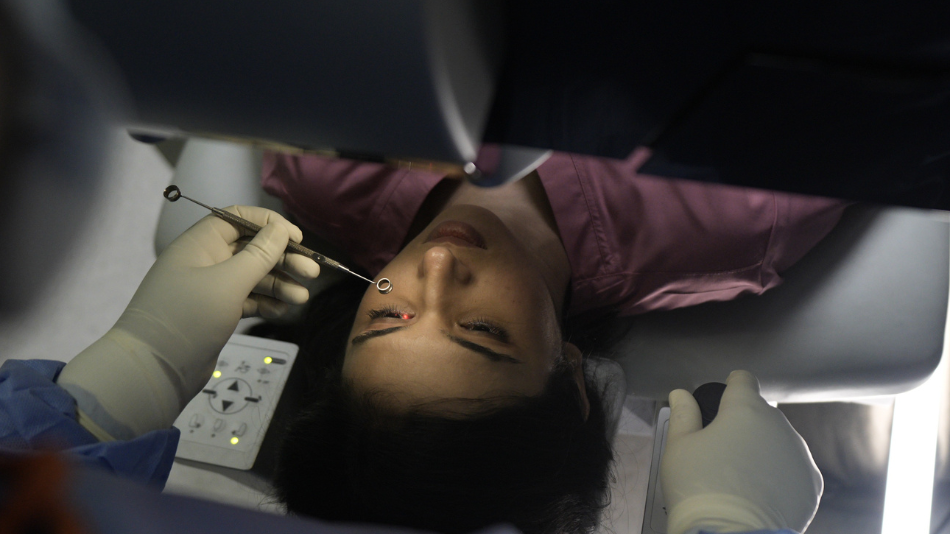
Imagine waking up and seeing clearly without reaching for your glasses. That’s the appeal of LASIK. But scroll through social feeds, and you’ll find plenty of mixed opinions on whether it’s safe. So, what’s the real story?
LASIK surgery is approved by the U.S. Food and Drug Administration (FDA) and has been performed for over three decades, with millions of successful procedures worldwide. It is not experimental — in fact, it’s one of the most widely performed elective surgeries globally. The safety record is strong, and serious complications are extremely rare. Most patients are satisfied with the results and enjoy clearer vision for years to come.
Ongoing advancements in LASIK technology and continuous research by ophthalmologists have significantly enhanced both patient satisfaction and visual outcomes. A 2017 analysis of FDA data showed that advances in laser systems have minimized earlier side effects. The FDA’s PROWL-1 and PROWL-2 studies reported high satisfaction rates — 96–99% for vision and 98–99% overall. While some media portray LASIK negatively, scientific evidence confirms it as a safe, effective, and highly refined procedure when performed on the right candidates.
However, it’s important to remember that LASIK surgery is not ideal for every individual. People with fluctuating vision, thin corneas, persistent dry eye, or certain autoimmune conditions may not qualify and are usually advised against undergoing LASIK. A comprehensive pre-operative eye examination by a qualified ophthalmologist is crucial to determine if the patient can safely benefit from the procedure or if alternative vision correction options are more appropriate.
What about the side effects?
While LASIK is highly effective and has a high satisfaction rate, it’s important to understand that, like any medical procedure, it may come with temporary side effects for some individuals. Patients may experience dry eyes, glare, halos around lights, and mild discomfort or irritation. In most patients, these symptoms gradually fade within a few weeks without the need for additional treatment. A smaller number of patients may notice longer-lasting effects, which is why pre-surgery screening, proper post-operative care, and regular follow-ups are crucial to ensure a smooth recovery.
Does LASIK last forever?
The vision correction achieved through LASIK is permanent, but it does not stop the natural aging process of your eyes. Over time, conditions like presbyopia (the age-related need for reading glasses, usually in your 40s) or cataracts (later in life) can still develop.
Some patients may experience minor changes in vision over the years, but significant regression is uncommon. Regular eye check-ups will help track your vision and address any changes that need timely attention.
Ultimately, in the right candidate, LASIK is a remarkable procedure with excellent safety and long-term results. Thanks to LASIK, millions around the world now enjoy freedom from glasses or contact lenses. The impact extends beyond vision correction — it contributes to greater confidence and a more comfortable lifestyle.
However, it’s essential to begin with a detailed eye check-up by an experienced eye specialist to ensure it’s the right choice for you.
With the right guidance, clear vision is closer than you think.
I hope this information helps ease any concerns and gives confidence to those considering LASIK but feeling uncertain about its results or safety.
About the Author

Dr. Shubhangi Shevale, Ophthalmologist at K K Eye Institute, shares trusted insights on eye health and treatments.