
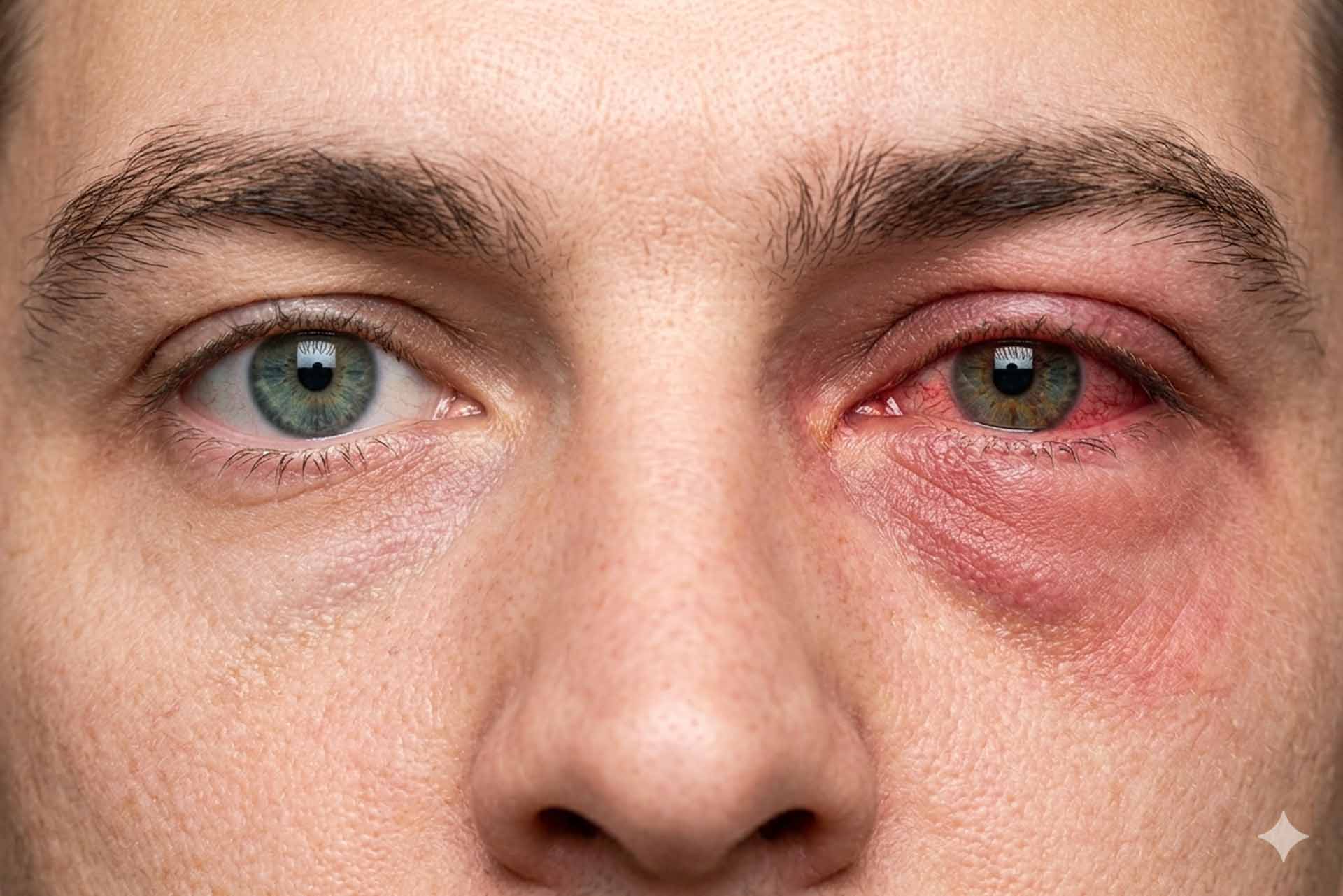
If you’ve ever rubbed your itchy, watery eyes during allergy season, you know how miserable it gets. But most people don’t realize just how much allergies can affect their eyes or why it happens in the first place.
Your eyes are constantly exposed to the environment. They don’t have the same protective barriers as your nose or mouth, which makes them vulnerable to allergens floating through the air. When these particles land on your eyes, things can go wrong fast.
Eye allergies (doctors call it allergic conjunctivitis) happen when your immune system mistakes harmless substances for threats. Your body launches an attack, releasing histamine and other chemicals that cause inflammation.
The most common triggers are:
– Pollen from trees, grass, and weeds
– Dust mites living in your bedding and furniture
– Pet dander and saliva
– Mold spores in damp areas
– Smoke and air pollution
– Fragrances in perfumes, candles, and cleaning products
– Chlorine in swimming pools
What allergies do to your eyes
Some people react to seasonal allergens like pollen. Others deal with year-round triggers like dust mites or pet dander. And some unlucky people are sensitive to multiple triggers.
When allergens hit your eyes, the reaction is immediate. Mast cells in your eye tissue release histamine, which makes blood vessels swell and leak fluid. This is why your eyes get red and puffy.
The symptoms vary but usually include:
- Itching :The urge to rub your eyes can be overwhelming, but rubbing makes everything worse by releasing more histamine.
- Redness: Inflamed blood vessels make the whites of your eyes look pink or red.
- Watering:Your eyes produce excess tears to flush out the allergen. But these tears are mostly water without the oils and mucus that keep eyes properly lubricated.
- Swelling: Your eyelids can puff up, sometimes dramatically.
- Burning or stinging: The inflammation irritates nerve endings.
- Light sensitivity: Inflamed eyes often struggle with bright light.
- Blurry vision: Excess tears and swelling can temporarily affect how well you see.
The Dry Eye Connection
Here’s something that confuses people: allergies can make your eyes water AND dry them out at the same time.
Your tear film has three layers. The oily outer layer keeps tears from evaporating. The watery middle layer provides moisture. The inner mucus layer helps tears spread evenly. Allergic inflammation disrupts this balance.
The excess watery tears from allergies don’t have enough oil or mucus. They run down your face instead of staying on your eye surface. So even though you’re producing tears, your eyes aren’t getting properly lubricated.
Add environmental factors and it gets worse. Air conditioning removes humidity from the air, which increases tear evaporation. Heating systems do the same thing in winter. Fans blow air directly at your face, drying out your eyes faster.
When your eyes are dry, they become even more sensitive to allergens. It’s a vicious cycle.
What to do (and not to do)
– Apply cool compresses for 10-15 minutes to reduce swelling
– Use an eye lubricant to add moisture and dilute allergens
– Remove contact lenses if they’re making symptoms worse
– Don’t rub your eyes no matter how much they itch. Rubbing releases more histamine, which increases inflammation and itching. And if your hands aren’t clean, you might introduce bacteria and get an infection on top of the allergies.
When to see an eye specialist
Don’t wait too long to get help. See a doctor if:
– Your symptoms don’t improve after a week of self-treatment
– You have eye pain (not just discomfort)
– Your vision gets worse or stays blurry
– You have thick discharge that could indicate infection
– Your symptoms interfere with daily activities or sleep
For severe or sudden symptoms, see an eye doctor right away. Some conditions that mimic allergies can damage your vision if not treated quickly.