







DIGITAL EYE STRAIN

What is Digital Eye Strain?

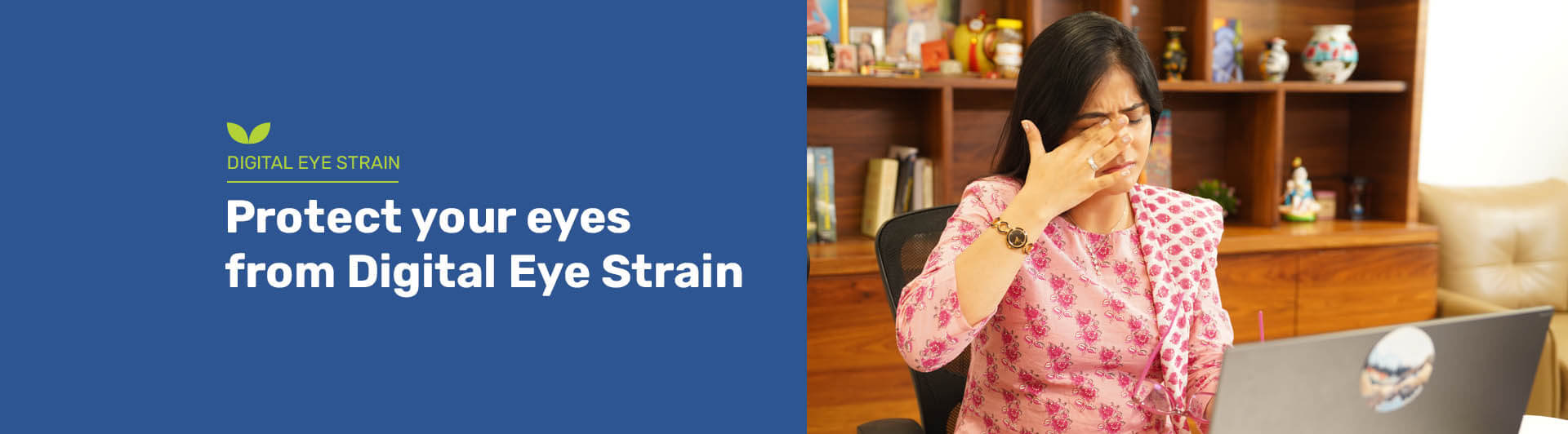
Digital Eye strain, also known as Computer Vision Syndrome (CVS), is a term used to describe a group of eye and vision-related problems resulting from prolonged usage of digital devices like mobile phones, laptops, tablets and e-readers.

Initially, the problems of digital strain were mostly restricted to computer usage at the workplace. But over time, with the development of portable digital devices with smaller screens, Digital Eye Strain has become more widespread and affects individuals at all life stages.

Symptoms

Do you experience any of the following symptoms during or after using a digital device?

EYE PAIN

Itching, burning or dry eyes

FATIGUE

Blurred vision

HEADACHE FROM SCREEN TIME

Eye strain and tiredness in eyes

RED EYE

Dry eyes with a sensation of irritation

NECK SPRAIN

Neck and shoulder pain

SCREEN HOURS FATIGUE

Headache

How can you take measures to prevent Digital Eye Strain?

Causes

Tips to prevent and reduce Digital Eye Strain

Issues related to viewing environment

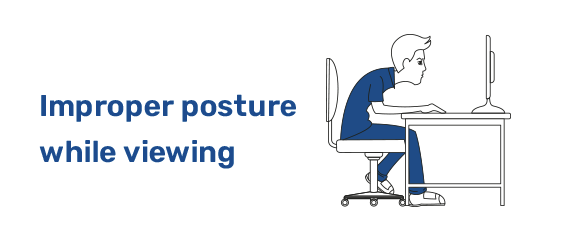
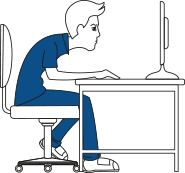
Improper posture
while viewing

IMPROPER POSTURE

Choose your chair with care

Poor
lighting

LATE SCREEN TIME

Pay attention to room lighting

Screen is
too bright

SCREEN LIGHT

Avoid screen glare

Wrong screen angle

IMPROPER POSTURE

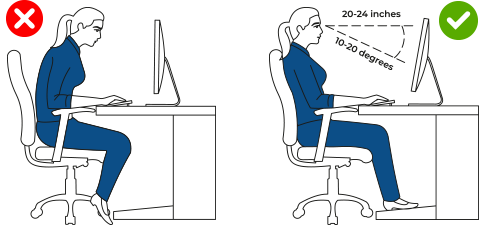
Position the screen (and yourself) correctly

Issues related to viewing behaviour and work practices

Long viewing hours

20-20-20 RULE EYE EXERCISING

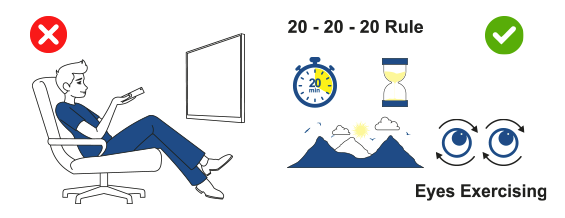
Remember to give your eyes a break

Staring at screen
without blinking

SCREEN TIME

Make a conscious effort to blink more often

Issues related to existing eye conditions

Uncorrected vision
problems like myopia,
and astigmatism

HEADACHE FROM SCREEN VIEWING

Opt for regular check ups

Make sure
you are using
the right glasses!

SPECS COOL

Always use prescribed spectacles and high quality lens

Issues related to viewing environment

Causes

Improper posture
while viewing

IMPROPER POSTURE

Tips to prevent and reduce Digital Eye Strain

Choose your chair with care

Causes

Poor
lighting

LATE SCREEN TIME

Tips to prevent and reduce Digital Eye Strain

Pay attention to room lighting

Causes

Screen is
too bright

SCREEN LIGHT

Tips to prevent and reduce Digital Eye Strain

Avoid screen glare

Causes

Wrong screen angle

IMPROPER POSTURE

Tips to prevent and reduce Digital Eye Strain

Position the screen (and yourself) correctly

Issues related to viewing behaviour and work practices

Causes

Long viewing hours

20-20-20 RULE EYE EXERCISING

Tips to prevent and reduce Digital Eye Strain

Remember to give your eyes a break

Causes

Staring at screen
without blinking

SCREEN TIME

Tips to prevent and reduce Digital Eye Strain

Make a conscious effort to blink more often

Issues related to existing eye conditions

Causes

Uncorrected vision
problems like myopia,
and astigmatism

HEADACHE FROM SCREEN VIEWING

Tips to prevent and reduce Digital Eye Strain

Opt for regular check ups

Causes

Make sure
you are using
the right glasses!

SPECS COOL

Tips to prevent and reduce Digital Eye Strain

Always use prescribed spectacles and high quality lens

Diagnosing Digital Eye Strain

Based on a comprehensive
eye examination and
diagnostic tests

Proper patient history
to understand symptoms
and environmental factors

Schedule your appointment with us to reduce the impact of Digital Eye Strain.

Causes Tips to prevent and reduce DES
Issues related to viewing environment
improper posture while viewing

Choose your chair with care

Content
Content

FAQS

Digital Eye Strain or CVS is primarily caused by prolonged and uninterrupted use of digital screens, coupled with factors like poor lighting and incorrect screen position.

Take regular breaks, maintain proper screen ergonomics, adjust lighting, and consider computer glasses if needed.

Computer glasses with anti-reflective coatings can help reduce glare and minimise digital eye strain or computer vision syndrome symptoms for some individuals.

Digital Eye Strain is not associated with permanent eye damage but can cause significant discomfort and affect productivity if not managed.

While Digital Eye Strain or CVS can affect individuals of all ages, it is more prevalent in those who spend extended hours on digital devices, including children and adults.

The 20-20-20 rule is recommended: take a 20-second break every 20 minutes, looking at something 20 feet away.

Treatment options include artificial tears, prescription eyeglasses, and lifestyle changes to reduce screen time.

Yes, individuals with uncorrected vision problems may be more prone to Digital Eye Strain or CVS symptoms.

Research on blue light and Digital Eye Strain is ongoing, but it may contribute to eye strain. Blue light-blocking coatings on eyeglasses may help.

If Digital Eye Strain symptoms persist despite preventive measures or worsen over time, consult an eye care professional for evaluation and guidance.